Matthew's Hope Foundation Houston
On Northwest Central Drive, Matthew's Hope Foundation Houston operates an intensive outpatient program. The program typically lasts 30 days and includes 24 to 30 sessions. This page describes whom it serves and how payment is handled.

- Outpatient
- 30 days
The program is part of a nonprofit organization registered as a 501(c)(3) that focuses on opioid use and also supports family members through the treatment process. Sessions are led by licensed social workers, professional counselors, chemical dependency counselors and certified recovery coaches, and the clinical approach is described as trauma-informed.
Each person enrolled receives an individualized treatment plan. Planning can draw on neurofeedback, work on brain and body chemistry, and counseling methods such as cognitive behavioral therapy and EMDR. The center describes itself as evidence-based, and it also folds in holistic and bio-medical approaches alongside standard talk-based care.
Once someone leaves the program, the foundation keeps providing support for two years. This includes health and fitness activities each week, spiritual direction, and useful recovery resources. People who finish the program receive it at no charge.
Treatment here centers on substance use disorders, with the aim of helping people regain stability, build relapse-prevention plans and connect with ongoing care. It is an outpatient setting, so participants live at home or in housing they arrange and attend sessions on scheduled days.
Matthew's Hope Foundation Houston
Matthew's Hope Foundation Houston delivers outpatient care alone, through an intensive outpatient program, and residential or detox services are not available on site. Sessions usually number 24 to 30 across roughly 30 days, and scheduling flexes so participants can hold onto jobs or family duties. With 64 facilities listed by SAMHSA in Houston, weighing levels of care against each other is a sensible place to begin. When overnight monitoring or medically managed withdrawal is what you need, a higher level of care than this outpatient program is the right setting.
Therapy options consist of individual counseling, group therapy, cognitive behavioral therapy, and eye movement desensitization and reprocessing. The program also includes neurofeedback, life skills work, nutrition counseling, recreation therapy, and spiritual care. Staff describe the approach as evidence-based, with biomedical and holistic elements integrated into each plan. For someone stepping down from residential care or up from weekly counseling, an intensive outpatient schedule in Houston can be a middle option.
- Eye Movement Therapy (EMDR)
- 1-on-1 Counseling
- Holistic
- Cognitive Behavioral Therapy
- Bio-Medical
- Evidence-Based
- Life Skills
- Spiritual Care
- Group Therapy
- Nutrition Counseling
Who the Houston IOP serves in Houston
- Adults of any gender, with program information listing men, women, and men and women together
- Individuals with a substance use disorder involving opioids, stimulants, benzodiazepines, prescription drugs, or other substances
- People who need structured group and individual counseling but do not require 24-hour residential care
- Family members who want support while a relative goes through treatment
- People preparing to leave a higher level of care and step into ongoing outpatient work
- Anyone looking for relapse-prevention planning and continued recovery support after a program ends
The Houston setting on Northwest Central
The program operates at 5600 Northwest Central Dr, Houston, TX 77092, in the northwest part of the city. Sessions take place in an outpatient clinic environment, and participants travel in for scheduled appointments rather than living on site. Because the schedule is flexible, people from across the Houston area can often arrange attendance around work or family commitments, and arranging reliable transportation is worth planning before the first week.
Paying for care at Matthew's Hope
Cash pay rates are one payment option this program lists, so it makes sense to ask the center directly about the per-session cost and what paperwork it can supply for insurance reimbursement. Texas Medicaid and private plans differ in how much they cover for intensive outpatient care, and the front office is the right place to verify the specifics before you enroll. If money is a barrier, asking about the nonprofit's own resources and about nearby SAMHSA-listed sliding-scale programs can open other paths to care.
Queries to raise before joining
- How many sessions per week does the schedule involve, and are evening or daytime groups available?
- What does the individualized treatment plan include, and how often is it reviewed?
- Which therapies are part of my plan, and who delivers each one?
- How does the two-year recovery support after discharge work, and what does it include?
- What do you charge for cash pay, and what paperwork can you give me for insurance?
- How do families take part, and what support is offered to them?


Other centers in Houston
-

Elysian Treatment
Houston, TX30 days · 31-50 beds
- Co-Occurring Mental Health
- Outpatient
Located in the Heights neighborhood of Houston, Elysian Treatment is an outpatient facility.
Open facility -
- Joint Commission
- Residential Rehab
- Detox
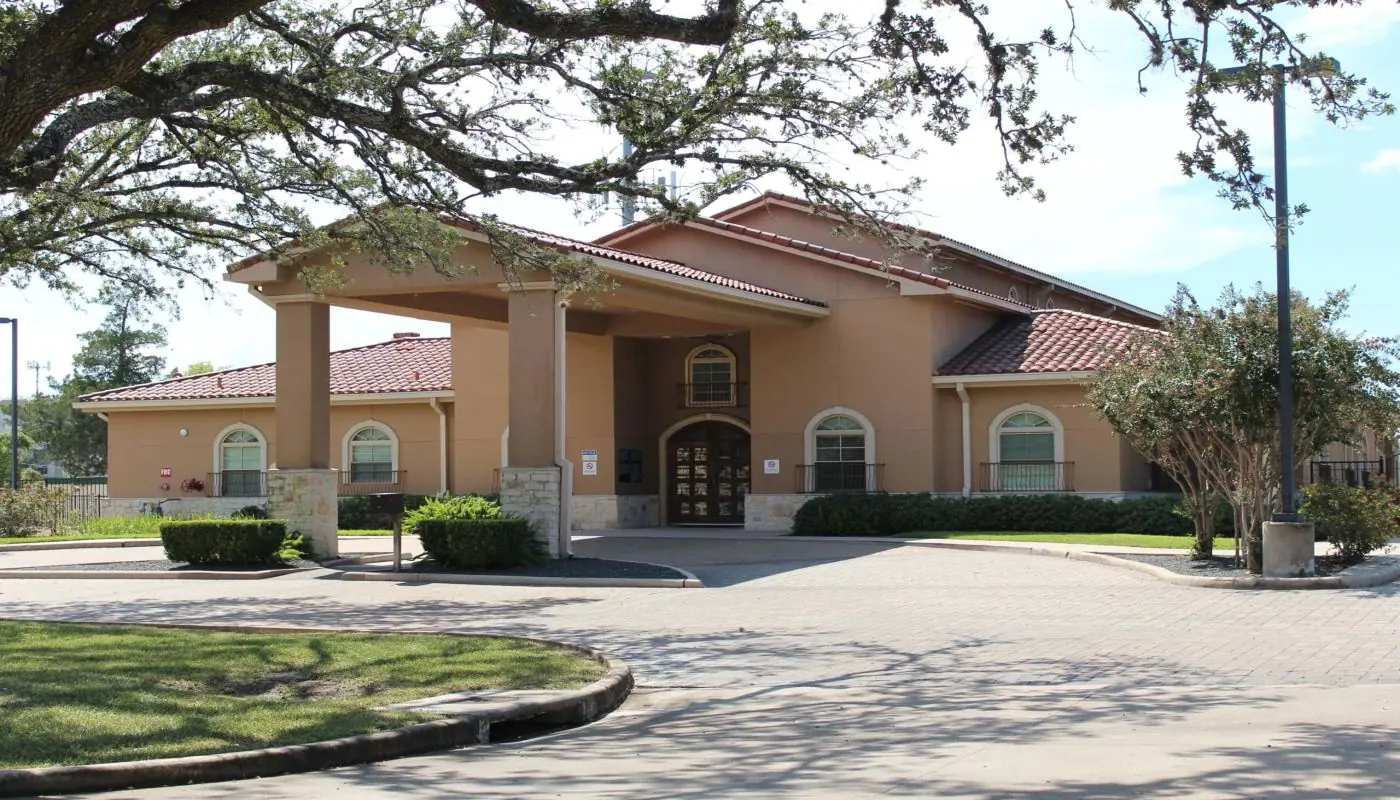
Virtue Recovery Houston is a Joint Commission accredited center on S Gessner Rd.
Open facility -

- Co-Occurring Mental Health
- Detox
- Outpatient
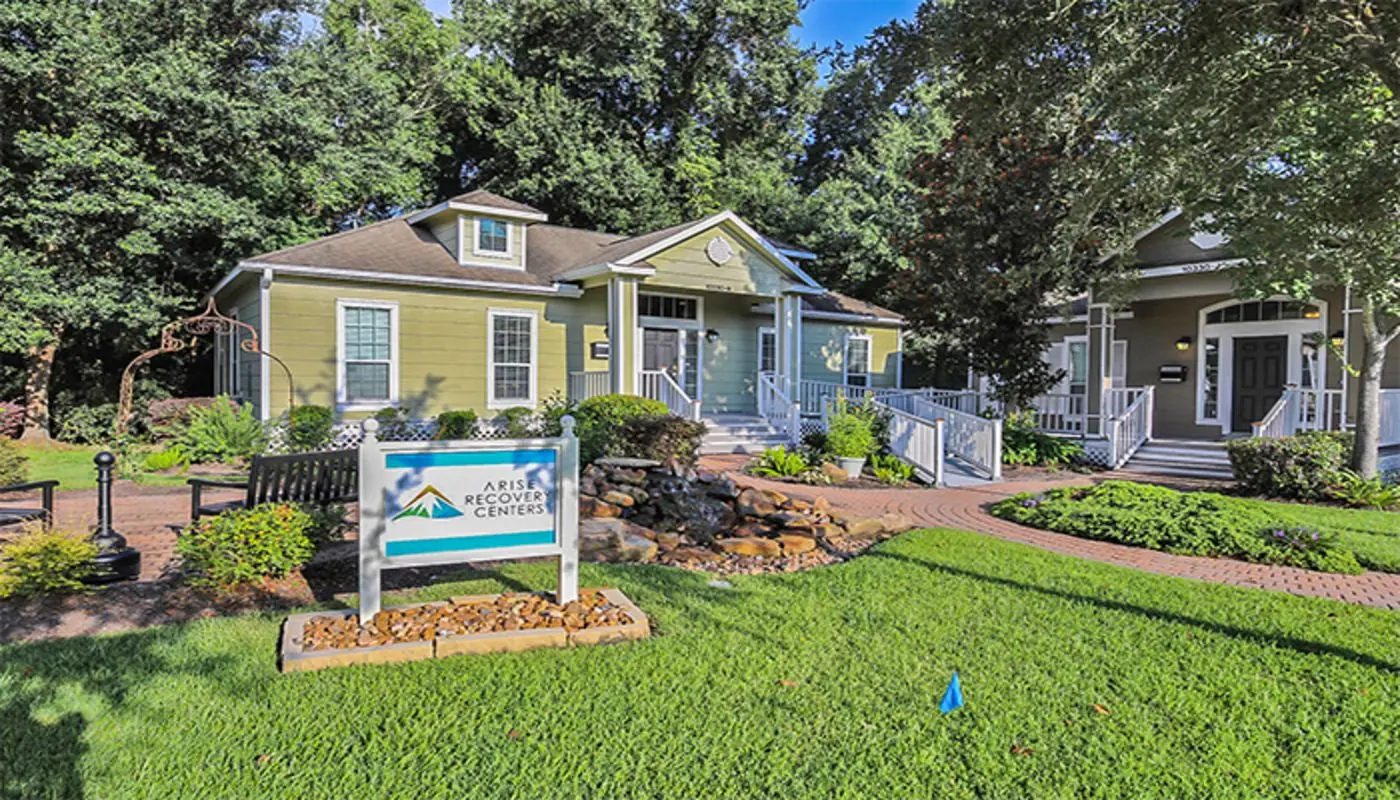
This Bay Area Recovery Center Central Houston page covers a Texas outpatient program open since 1992.
Open facility -
- Joint Commission
- Outpatient
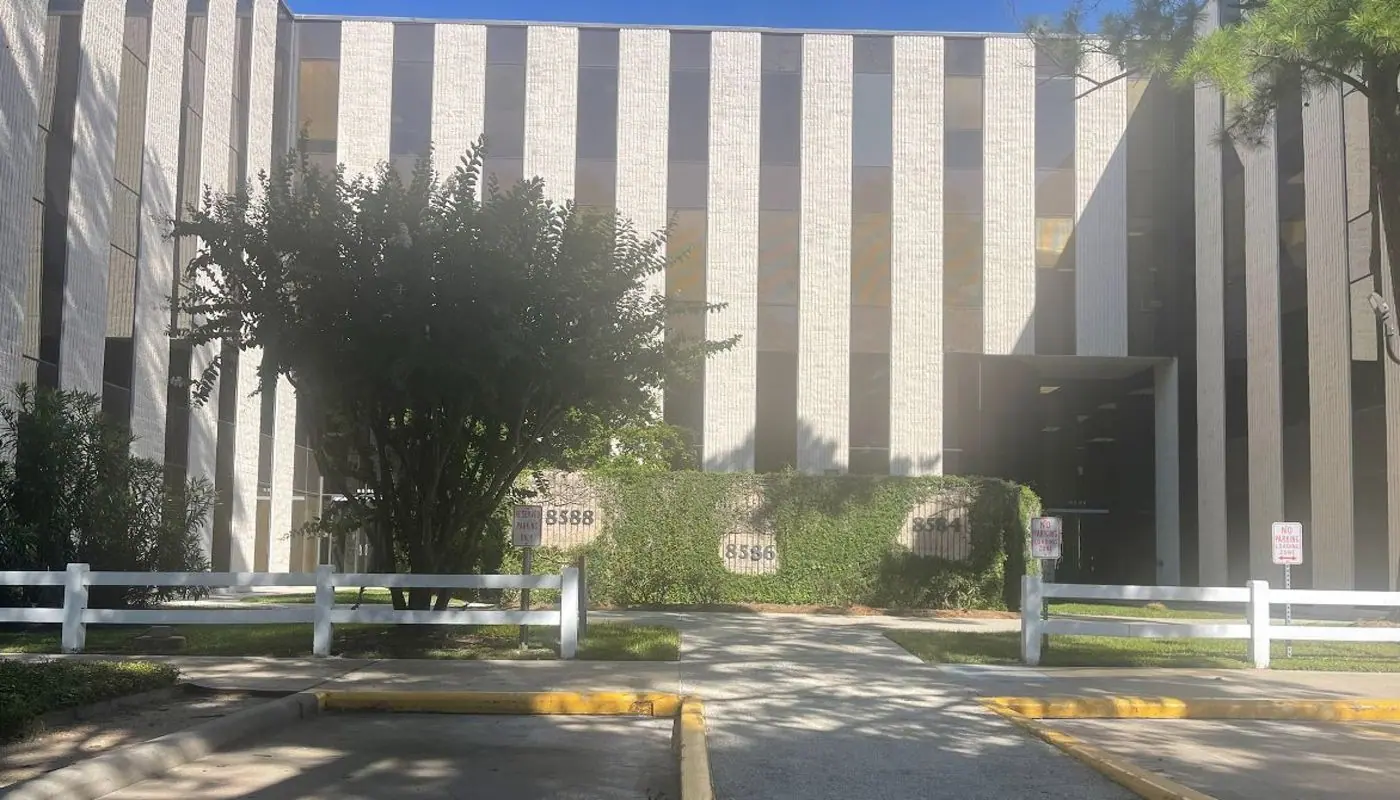
Arise Recovery Centers Houston runs outpatient care from Cypress.
Open facility -
- Outpatient
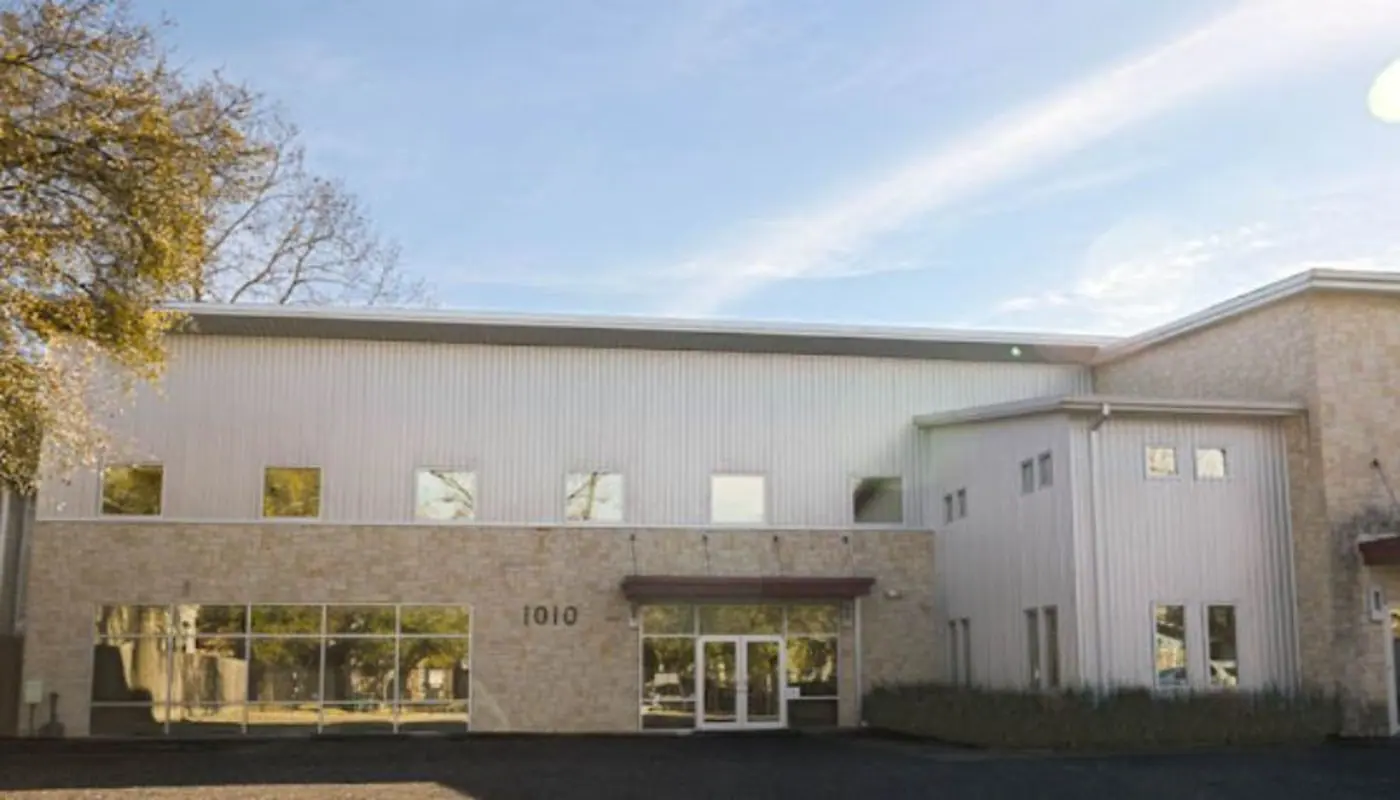
This is an outpatient mental health and addiction clinic on Katy Freeway in Houston.
Open facility -
- Joint Commission
- Sober Living
- Outpatient
Eudaimonia Recovery Homes Houston provides sober living for men.
Open facility
Common questions
What does Matthew's Hope Foundation Houston offer?
An intensive outpatient program for substance use disorders is what this center provides, with 24 to 30 sessions usually spread across about 30 days. Individual and group counseling, cognitive behavioral therapy, EMDR, neurofeedback and related services make up the care, along with two years of recovery support at no cost after discharge. The center's address is Northwest Central Drive in Houston, TX.
How long do people stay in intensive outpatient rehab facilities?
At this center, the intensive outpatient program typically runs 30 days and involves 24 to 30 sessions, delivered on a flexible schedule. Length can shift based on a person's plan and progress. Across Houston, 64 facilities are listed by SAMHSA, and stay lengths vary by level of care, so it is worth asking each program directly.
Does Matthew's Hope accept Medicaid or insurance?
This center shows self pay prices as the payment option. How much intensive outpatient care covers depends on your particular plan, and Texas Medicaid and private insurers pay differing amounts. Phone the center to verify current pricing and ask what paperwork they can supply if you intend to request reimbursement from an insurer.
Is this program a detox or residential rehab center?
No. Matthew's Hope Foundation operates an outpatient program, so participants live off site and attend scheduled sessions. Someone who needs medically managed withdrawal or overnight monitoring requires a different level of care; withdrawal from alcohol or benzodiazepines can carry serious risk, so a clinical assessment should guide that decision.
What are the different types of rehab near Houston?
Houston has 64 SAMHSA-listed facilities offering various levels of care, including detox, residential rehab, outpatient programs and intensive outpatient programs like this one. Matching the level of care to a person's needs matters; if someone requires 24-hour support, then a residential setting is more appropriate than an outpatient schedule.
Contacting the Houston program
The center takes questions about scheduling, cost and the referral process at its Northwest Central Drive location. Reach out with specific questions about the intensive outpatient schedule, the treatment plan and the recovery support offered after discharge. For anyone unsure where to start, the 24/7 helpline on this site can point toward SAMHSA-listed options in Houston and explain how levels of care differ.