LifeStance Health Alabama Street Houston
LifeStance Health Alabama Street Houston is an independent mental health practice located in ZIP code 77098. Among the 64 facilities that SAMHSA FindTreatment.gov lists for the Houston area, this is one. Below you will find what the practice offers, the people it serves, and how to confirm what your insurance will cover.

- 30 days
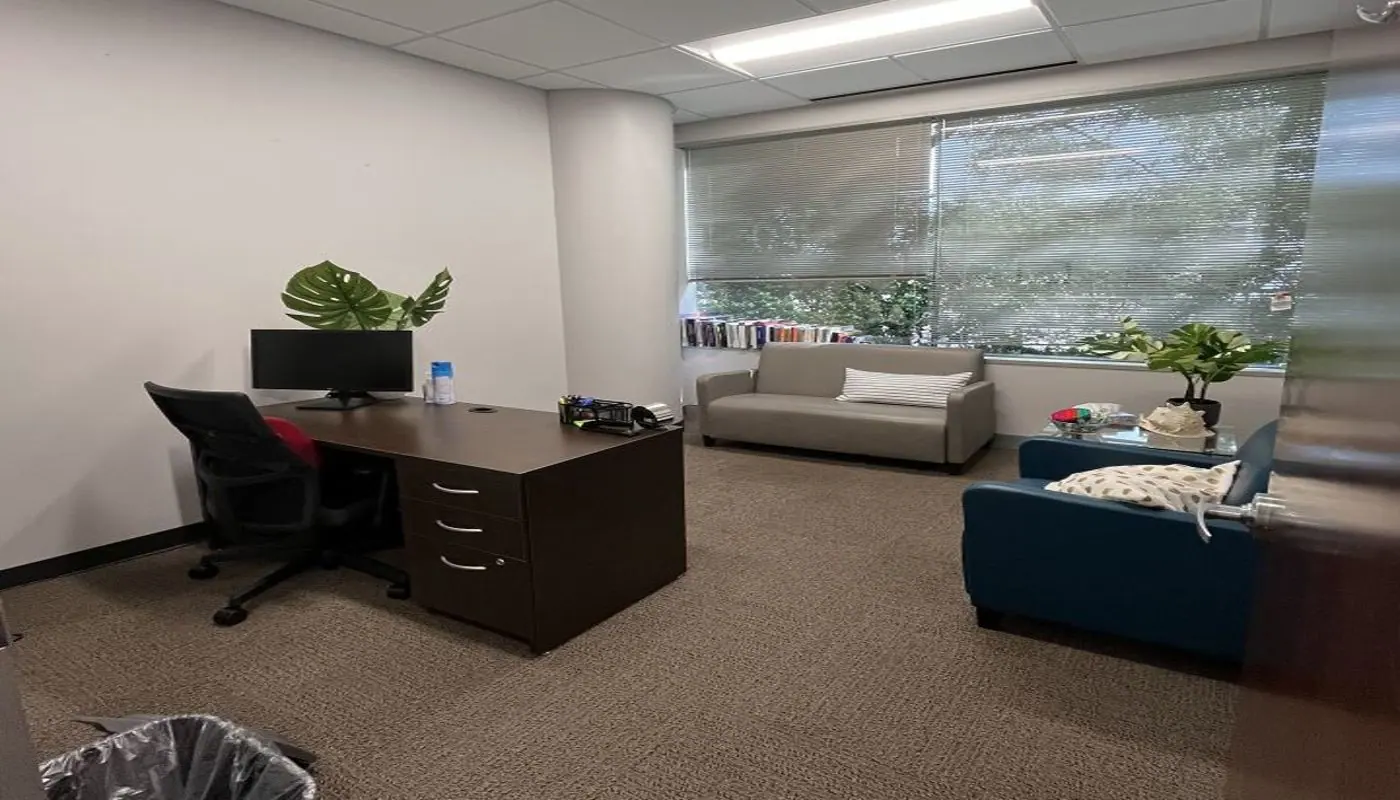

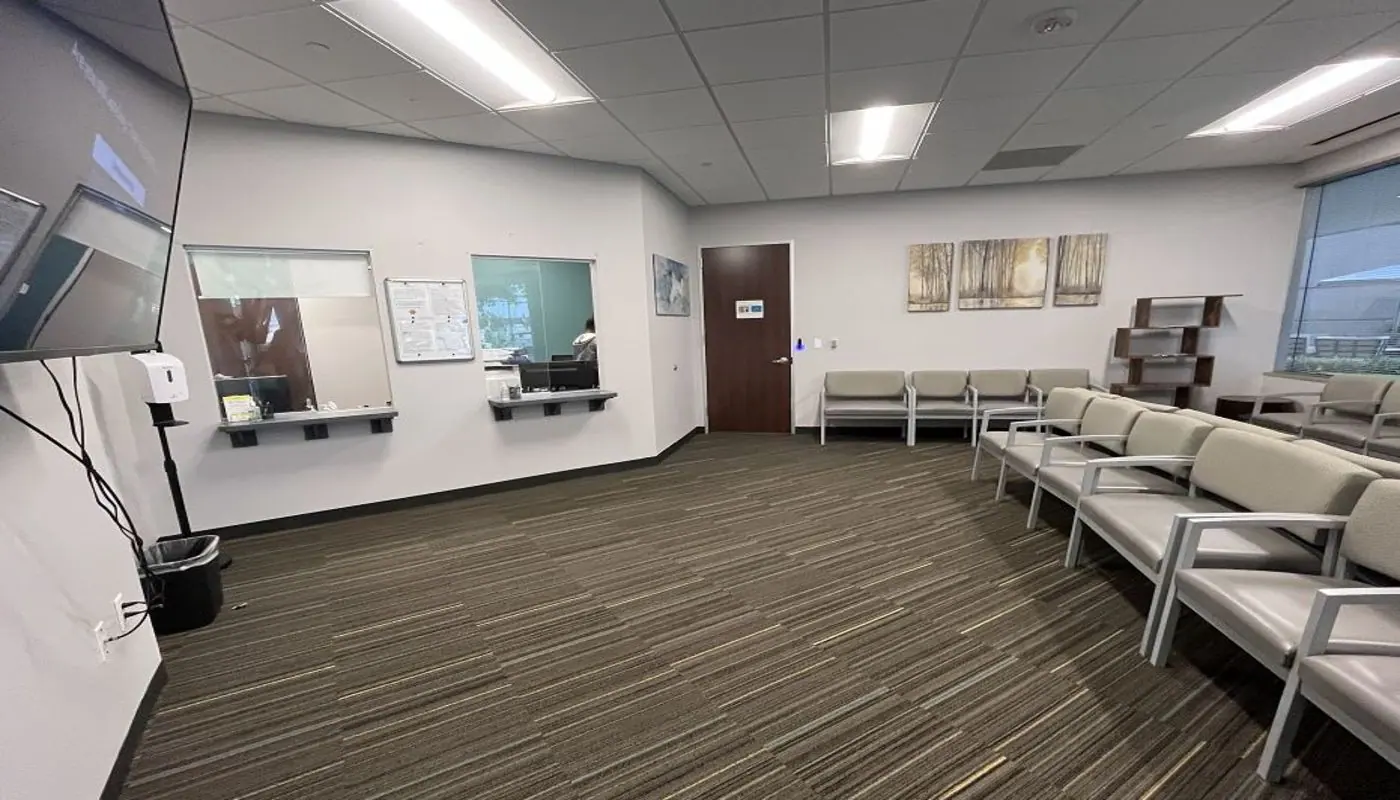
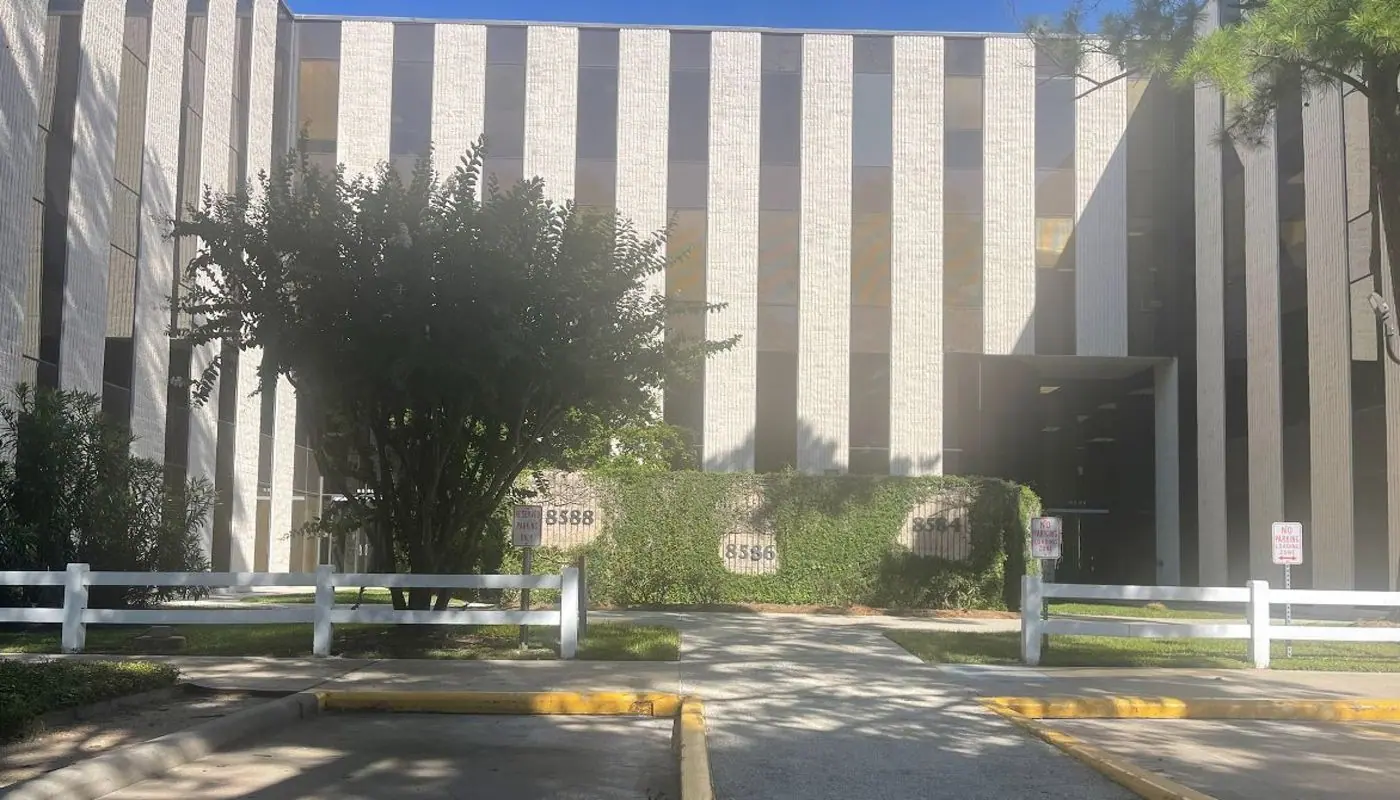
This is a private mental health practice on West Alabama Street, set in a business park north of Interstate 69 and a short drive from Memorial Park. The office runs Monday through Friday, 9:00 am until 5 00 pm., and works with children, adolescents, adults and older adults in the same setting.
Care starts with an assessment of what the person is facing, and the plan that follows reflects that individual picture rather than a fixed curriculum. Clinicians at the practice work from evidence-based methods and build on each client's existing strengths. Adults in Houston tx can ask which therapist at this location handles substance use and mental health together, since a single plan is usually easier to follow than two separate ones.
Telehealth visits are an option as well, so some appointments might not require a trip to the office. In comparing outpatient programs at Houston drug rehab centers, this setting can sit alongside residential care. Choosing among rehab centers in Houston means asking what each location actually offers before booking anything, and the helpline below can help you weigh the choices. A call is free and puts you under no obligation.
Lifestance health alabama street Houston
Talks form the basis of sessions here, most often individually, and clinicians draw on several approaches depending on who is treating and what the concern is. The practice names acceptance and commitment therapy dialectical behavior therapy cognitive behavioral therapy, mindfulness therapy, narrative therapy and solution-focused, goal-oriented therapy. Family therapy and group therapy are on the service list too.
Alongside individual sessions, the center describes marriage and couples counseling, faith-based counseling, medication management, exposure therapy, parenting support and evaluations for medical procedures. Houston families comparing outpatient care can ask which therapies are offered for their specific concern instead of assuming every approach is available from every clinician.
Because clinicians specialize, the match between person and provider matters more here than the length of a menu. When you call, ask for the names of two or three therapists who treat your situation and check whether each one takes your insurance. That single step saves time later.
- Acceptance and Commitment Therapy (ACT)
- Family Therapy
- Individual Treatment
- Mindfulness Therapy
- Dialectical Behavior Therapy
- Cognitive Behavioral Therapy
- Evidence-Based
- 1-on-1 Counseling
- Strengths-Based
- Group Therapy
Who this Houston program is built for
- Children and adolescents, alongside adults and older adults
- Men and women, including couples seeking counseling together
- Veterans and first responders
- People with mild disabilities and neurodivergent clients, including those on the autism spectrum
- Adults living with anxiety, depression, bipolar disorder, OCD, PTSD, trauma or grief
- People with a substance use disorder who also need mental health care
Program length, hours and languages
The usual length shown is 30 days, which in an outpatient practice typically means a period of weekly sessions rather than a residential stay. Houston residents weighing rehab programs can ask how those 30 days are scheduled before committing to a start date. Weekday hours are 9:00 a m until 5 00 p m., with none listed for weekends or evenings, so working people should confirm scheduling first. Services are delivered in English. The practice lists four photos of the space. Telehealth appointments exist for some services, which can reduce travel from elsewhere in the city.
Paying for care at this Houston location
The practice lists cash pay rates, and clients can choose a therapist based in part on which insurance that clinician accepts. No dollar figures are published in the source material, so ask for the rate for a first session and for ongoing visits before you schedule. Anyone comparing alcohol rehab in Houston Texas should confirm in-network status for the exact clinician they want, since participation varies by provider and by plan. If your coverage runs through the Texas Medicaid program, say so on the first call and ask whether that plan is accepted here. A phone call to verify benefits is the only reliable way to know what you will owe.
Questions to ask before you book
- Which therapist at this office treats substance use alongside mental health conditions?
- Is the first appointment an assessment, and what does it cost if my insurance does not apply it to the deductible?
- Do you accept my specific insurance plan, and is the clinician I want in network?
- Are evening or weekend sessions available, or only weekday daytime hours?
- When someone needs more intensive care than outpatient therapy, who do you refer them to?


Other centers in Houston
-

Elysian Treatment
Houston, TX30 days · 31-50 beds
- Co-Occurring Mental Health
- Outpatient
Located in the Heights neighborhood of Houston, Elysian Treatment is an outpatient facility.
Open facility -
- Joint Commission
- Residential Rehab
- Detox
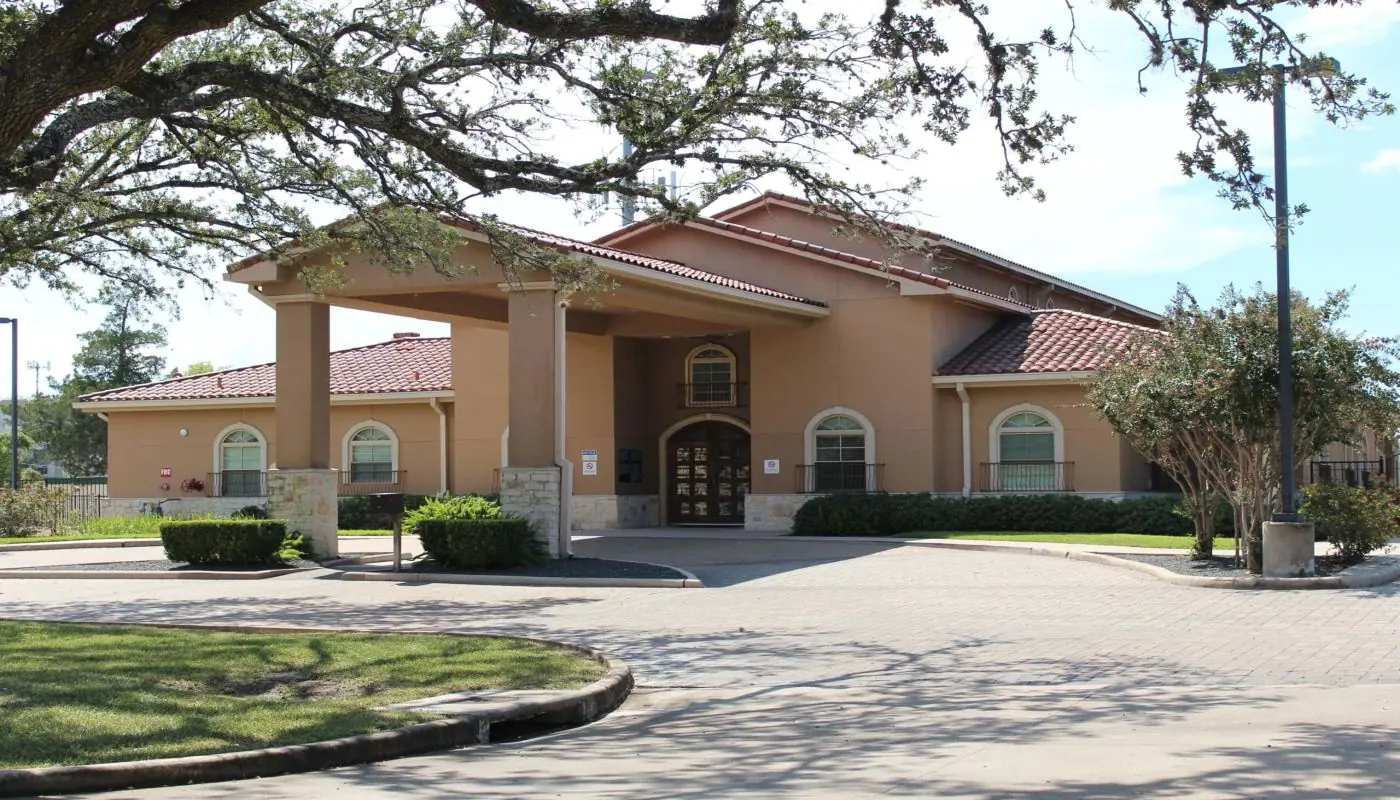
Virtue Recovery Houston is a Joint Commission accredited center on S Gessner Rd.
Open facility -

- Co-Occurring Mental Health
- Detox
- Outpatient
This Bay Area Recovery Center Central Houston page covers a Texas outpatient program open since 1992.
Open facility -
- Joint Commission
- Outpatient
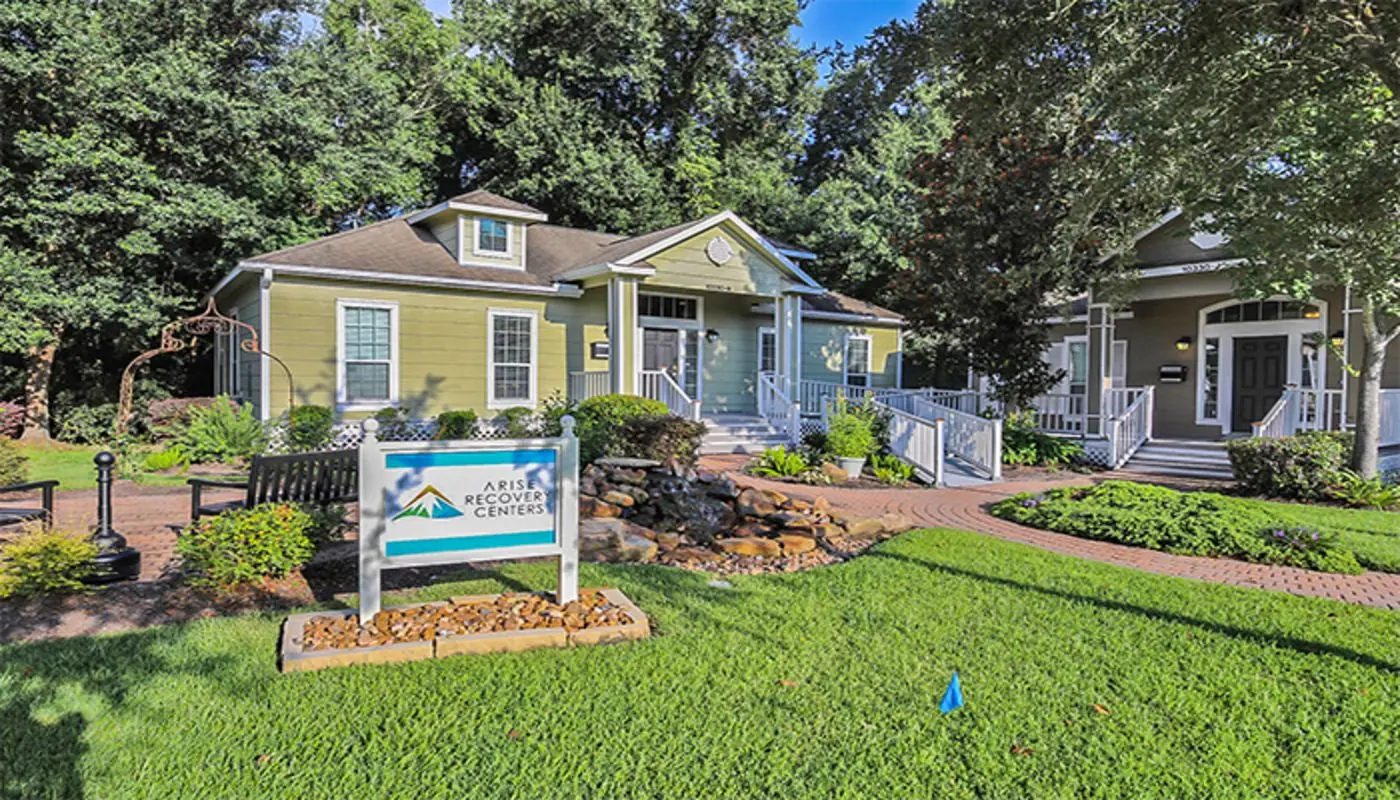
Arise Recovery Centers Houston runs outpatient care from Cypress.
Open facility -
- Outpatient
This is an outpatient mental health and addiction clinic on Katy Freeway in Houston.
Open facility -

- Joint Commission
- Sober Living
- Outpatient
Eudaimonia Recovery Homes Houston provides sober living for men.
Open facility

Common questions
Does LifeStance Health Alabama Street Houston provide detox?
This location lists no detox service. It is an outpatient mental health clinic, and what it lists is therapy, medication management and counseling, not medically monitored withdrawal. Quitting suddenly can be dangerous for someone who drinks heavily or takes benzodiazepines daily, and before any change a clinician should judge whether withdrawal needs medical oversight. The helpline can point you to Houston programs that do list detox.
What does it cost to be seen at this Houston practice?
Cash pay rates are listed, but no dollar amounts appear in the source material, so the office has to quote them. Insurance is accepted according to the clinician you choose, which means the cost depends on your plan and the provider. Ask for the self-pay rate for an initial assessment and for a standard follow-up session, then compare both numbers with what your plan would leave you owing.
How long do people stay in treatment here?
What is listed as typical program length is 30 days. At an outpatient practice, that generally means a course of weekly sessions, not living on site, and how many visits you actually have depends on what the clinician recommends and how you progress. At the first appointment, ask how many sessions are planned and how that number will be reviewed, so you understand what you are agreeing to.
Can this center help with alcohol or drug use and a mental health condition at once?
Both substance use and mental health concerns do appear among what is treated here, and the practice describes care as individualized around the diagnosis. That combination is often called dual diagnosis care. Ask which clinician handles both together, since a single plan is usually simpler to follow than two separate ones. A call to the helpline May also help you confirm coverage before booking.
Where can I find free rehab options in Houston?
This guide does not publish a list of free programs, and the 64 facilities counted for the Houston area vary widely in what they charge. Some are public clinics, some take Medicaid and some are private practices like this one. The helpline can help you sort which listed centers fit your budget and your insurance, at no cost to you, and nothing about the call commits you to treatment.
Checking openings and insurance coverage
Calling this guide's helpline costs nothing, you can reach it any hour of the day or night, and what you discuss stays private. The staff who pick up are trained to link you with licensed treatment providers, outpatient practices such as this one included, and nobody will push you into a decision. Houston callers can ask about wait times, insurance and the right level of care without sharing a name or agreeing to enroll. No one promises admission or what your insurance will cover, since the center and your plan are the ones who answer that. If writing your questions down first feels easier, use the list above, then call whenever you are ready.